
How to Visit Tribal Areas in Wayanad Responsibly Guide
Wayanad, located in the lush Western Ghats of Kerala, is home to some of the oldest indigenous tribal communities in South India. These communities live close to nature and follow traditions passed down for generations. Visiting tribal areas in Wayanad can be a meaningful experience—but only when done responsibly, respectfully, and ethically.
This guide explains how to visit tribal areas in Wayanad responsibly, covering permissions, best practices, cultural sensitivity, eco-friendly travel tips, and common questions travelers search for online.
Understanding Tribal Communities in Wayanad
Wayanad has the highest tribal population in Kerala. Some well-known communities include the Paniya, Kurichiya, Adiya, Kattunaikka, and Kuruma tribes. Many tribal settlements are located near forest regions and wildlife zones such as Wayanad Wildlife Sanctuary and Muthanga Forest.
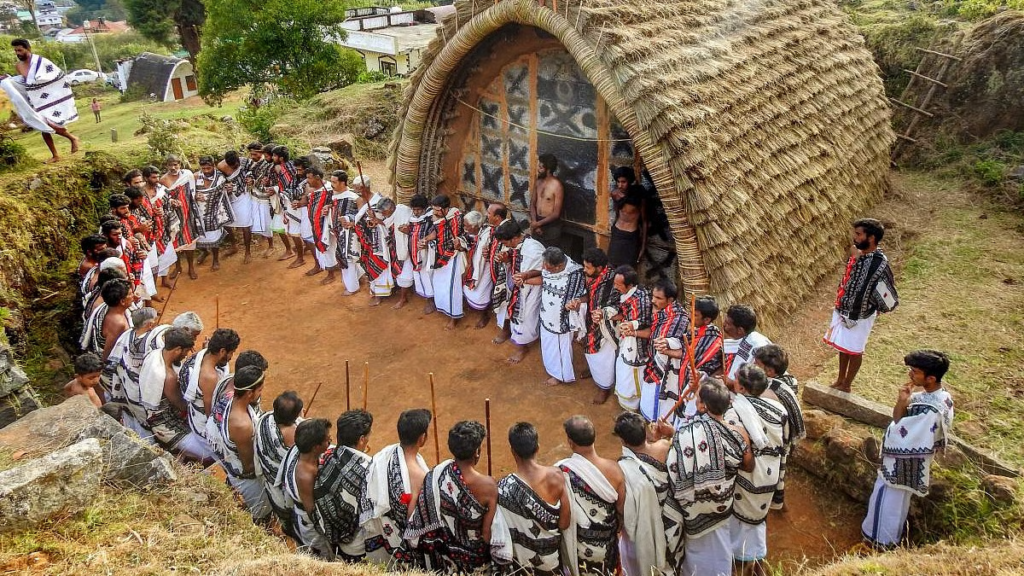
These communities depend on forests for food, medicine, and livelihood. Their lifestyle is deeply connected to land, seasons, and customs. As visitors, it is important to observe, not disturb.
Why Responsible Tribal Tourism Matters
Responsible tourism helps protect:
- Tribal culture and identity
- Natural forests and wildlife
- Local livelihoods and traditions
Irresponsible visits can cause cultural exploitation, environmental damage, and loss of privacy for tribal families. Ethical travel ensures your visit supports the community instead of harming it.
Do You Need Permission to Visit Tribal Areas in Wayanad?
Yes, permission is often required to enter tribal hamlets, especially those near protected forests.
How to Get Permission
- Contact the Kerala Forest Department
- Book through government-approved eco-tourism centers
- Visit with a local tribal guide
- Ask help from District Tourism Promotion Council (DTPC), Wayanad
Never enter a tribal settlement without approval. Unauthorized entry is illegal and disrespectful.
Best Time to Visit Tribal Areas in Wayanad
The ideal time is from October to March when the weather is pleasant and forest access is easier.
Avoid visiting during:
- Heavy monsoon months (June–September)
- Festival or ritual days unless invited
- Early mornings or late evenings when privacy is important
Responsible Travel Guidelines for Tribal Areas
1. Respect Privacy and Consent
- Always ask before entering homes
- Never photograph people without permission
- Avoid drones or loud devices
2. Dress Modestly
- Wear simple, decent clothing
- Avoid flashy outfits and accessories
3. Do Not Treat Tribes as Tourist Attractions
- Avoid staring, pointing, or crowding
- Do not give money or sweets to children
- Interact politely and naturally
4. Follow Eco-Friendly Practices
- Carry reusable water bottles
- Do not litter or damage forest paths
- Avoid plastic completely
5. Buy Local, Not Commercial
- Purchase handicrafts made by tribal artisans
- Support community-run stalls and cooperatives
Role of Local Guides in Responsible Visits
Hiring a local or tribal guide is highly recommended. They:
- Help with language and communication
- Explain customs and traditions correctly
- Ensure rules and boundaries are followed
- Provide employment to local people
Many guided visits start from areas near Thirunelli and Vythiri.
Responsible Activities You Can Do
- Guided village walks
- Traditional food tasting (if offered)
- Learning about herbal medicine
- Participating in permitted cultural programs
- Nature walks with tribal trackers
Avoid activities that feel staged or forceful.
Things You Should Never Do
| Don’ts | Why It’s Harmful |
|---|---|
| Enter without permission | Violates law and privacy |
| Take photos secretly | Disrespectful and unethical |
| Offer alcohol or tobacco | Harmful to health |
| Litter or damage nature | Affects forest ecosystem |
| Ask personal or intrusive questions | Causes discomfort |
Government-Approved Tribal Tourism in Wayanad
Kerala promotes Responsible Tourism (RT) initiatives. Some tribal tourism programs are officially managed to ensure safety and fairness. Always choose registered tour operators and avoid unverified agents.
How Responsible Tourism Helps Tribal Communities
Responsible visits can:
- Generate fair income
- Preserve culture and language
- Encourage education and healthcare access
- Protect forests and wildlife
When done right, tourism becomes a tool for empowerment, not exploitation.
FAQs: Visiting Tribal Areas in Wayanad Responsibly
Is it safe to visit tribal areas in Wayanad?
Yes, when you follow rules, take permission, and visit with authorized guides.
Can solo travelers visit tribal villages?
Solo travel is allowed only through approved programs. Independent entry is not advised.
Are photography and videography allowed?
Only with clear permission from individuals and authorities.
Can I stay overnight in tribal areas?
Overnight stays are allowed only in government-approved eco-lodges or homestays.
Is tribal tourism ethical?
It is ethical only when communities benefit directly and consent is respected.
Visiting tribal areas in Wayanad responsibly is about learning, respecting, and giving back. When travelers act thoughtfully, these visits become meaningful exchanges rather than sightseeing trips.
If you plan carefully, follow local rules, and respect cultural boundaries, your journey will leave a positive footprint—for you and for the community.
Read Also; Less Known Cave Temples in Chamarajanagar Travel Guide

Daksh Sharma writes about South India tourism, covering destinations, travel tips, and offbeat places. His goal is to make travel planning easy, informative, and enjoyable.